
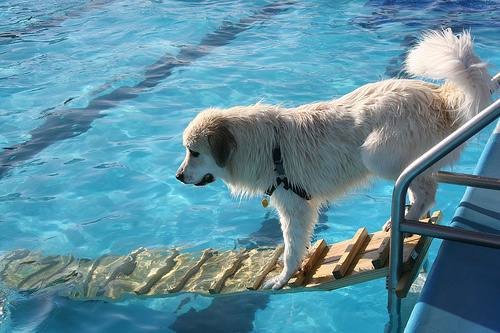
Training a dog to confidently navigate a dog jump pool is both exciting and rewarding. At Rob’s Dog Training, dogs of all ages and skill levels are guided through structured water exercises designed to improve coordination, stamina, and confidence. Whether preparing for canine dock diving competitions, boosting agility, or simply introducing fun water workouts, using proper techniques ensures safety, prevents injuries, and enhances performance.
Many dogs hesitate initially, especially when encountering water or jump obstacles for the first time, but consistent, positive dog jump pool training builds trust, strength, and swimming skills. Incorporating gradual entry, motivational toys, and short, frequent sessions helps dogs progress steadily while making training enjoyable and stress-free.
Choosing the Right Dog Jump Pool Setup
Selecting the right dog jump pool is a critical step for safe and effective water training. At Rob’s Dog Training, choosing a pool involves more than just size; it’s about durability, stability, and features that promote confidence and agility. Look for slip-resistant surfaces to prevent paw injuries, and consider pools with adjustable jump heights so training can progress gradually with the dog’s skill level. Shallow entry points are essential for beginners or smaller breeds, allowing dogs to enter and exit safely without fear.
Water quality and temperature are equally important. Clean, filtered water prevents infections, skin irritations, and other health issues, while temperature-appropriate water ensures dogs remain comfortable and motivated during training. For dogs practicing dock diving or dog agility pool exercises, a well-maintained setup reduces stress, builds confidence, and encourages repeated practice.
Additional features, such as reinforced sides, textured landing areas, and safety ladders, further enhance the training environment. Incorporating these elements ensures that every session at a dog jump pool is not only fun but also builds strength, coordination, and mental focus. Choosing the right setup lays the foundation for successful water training, helping dogs reach their full potential while enjoying a positive and safe experience.
Step-by-Step Dog Jump Pool Training
Training a dog to excel in a dog jump pool requires a structured, patient approach. At Rob’s Dog Training, sessions are designed to gradually introduce dogs to water, ensuring a positive experience from the very first jump.
Introduce water gradually – Many dogs are hesitant around water at first. Begin by encouraging entry at their own pace, allowing them to explore the pool without pressure. Walking along shallow areas or letting them paw at the water helps reduce fear and build confidence. Using calm verbal cues reinforces a sense of safety and encourages dogs to participate willingly.
Use toys and treats – Motivation is key during dock diving and dog agility pool training. Toys, floating fetch objects, or favorite treats can make the experience exciting and rewarding. Positive reinforcement strengthens the dog’s willingness to jump and swim, turning each training session into a fun, engaging activity rather than a stressful task.
Start low and progress gradually – Jump heights should begin minimal and increase only as the dog gains confidence, agility, and strength. Sudden height increases can intimidate or injure a dog, so gradual progression ensures steady improvement and sustained enthusiasm.
Practice consistency – Short, frequent training sessions are more effective than long, sporadic ones. Consistent practice enhances muscle memory, improves swimming technique, and prevents fatigue or frustration. Repetition under calm, encouraging supervision reinforces learned skills while promoting mental focus.
Safety Tips for Fun and Effective Water Training
Safety is always a priority when using a dog jump pool. Supervision is essential to prevent accidents, and surrounding surfaces should be slip-resistant to avoid falls. Limiting session duration prevents exhaustion and ensures that dogs remain alert, confident, and engaged. Using proper entry and exit points, along with consistent safety routines, reduces stress for dogs while reinforcing positive associations with water training.
Structured dog jump pool exercises not only strengthen swimming skills but also improve overall agility, balance, and confidence. Incorporating dock diving techniques, water games, and agility challenges creates a highly stimulating environment that promotes physical fitness, mental engagement, and joyful interaction between dogs and trainers. Consistent, safe, and enjoyable practice ensures that every dog develops the skills needed for both competition and recreational water activities.
Conclusion
Mastering a dog jump pool combines safety, patience, and consistent, structured training. Dogs are guided through gradual water introduction, positive reinforcement, and step-by-step jump exercises, ensuring both confidence and skill development. Proper techniques not only strengthen swimming abilities and agility but also reduce the risk of injury, making every session safe, enjoyable, and productive.
Whether training for canine dock diving competitions, enhancing dog agility pool performance, or simply enjoying recreational water exercises, structured dog jump pool training provides both mental stimulation and physical fitness. Incorporating toys, treats, and motivational games encourages engagement, while short, consistent sessions build endurance and technique over time.
Prioritizing supervision, clean and temperature-appropriate water, and slip-resistant surfaces at Rob’s Dog Training further enhances the learning environment, ensuring dogs feel secure, motivated, and ready to perform. Ultimately, dogs trained experience improved coordination, strength, and confidence, turning every dog jump pool session into a fun, rewarding, and enriching activity for both dog and owner.